 Skip to content

**The House Always Dreams**
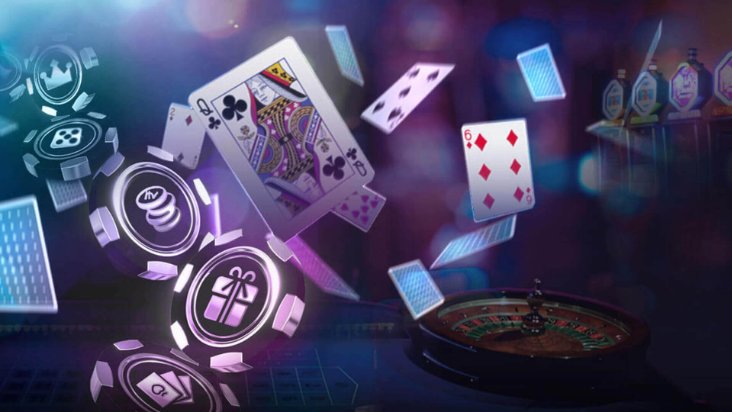
The Casino is often described as a house of risk, but it is just as much a house of dreams. Lights, mirrors, carpets, and machinery are arranged to make probability feel like destiny. Players do not simply wager money; they test a private story about luck, discipline, and timing. The building sells a temporary answer to a permanent question: what if the next moment changes everything?
The House Always Dreams
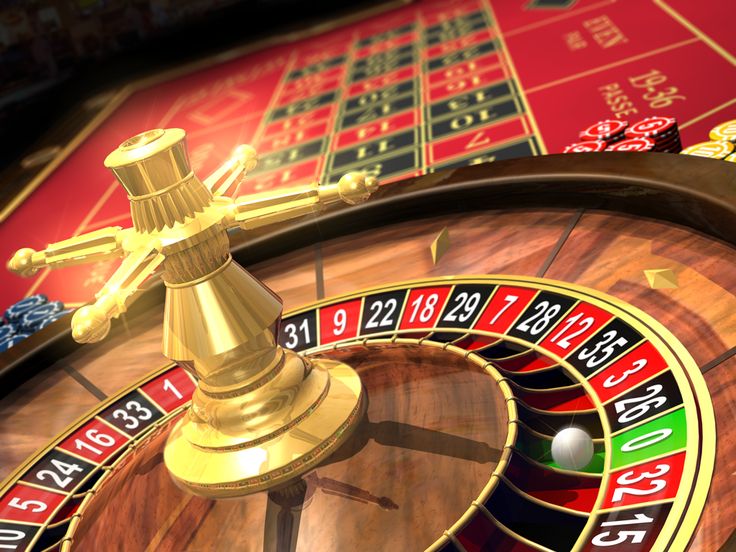
That dream is engineered. A modern casino controls sightlines, sound, temperature, and even smell. There are no clocks on the walls, no windows to mark the passing day, and no obvious exits from the gaming floor. The design does not hypnotize people; it removes friction from staying. Every detail quietly asks the visitor to play one more round, to chase one more near miss, to believe that the pattern is about to turn.
The Mathematics of Hope
Behind the velvet and neon sits a stern arithmetic. Games are built so the house keeps a small edge across thousands of bets. Individual players can win, sometimes spectacularly, but the aggregate drifts toward the operator. This is not a secret; it is the product. The casino’s genius is making that edge feel invisible in the moment. A player remembers the night they beat the odds and forgets the many nights the odds simply did their job.
The Dream Economy
Casinos are also engines of local fantasy. They promise jobs, tourism, tax revenue, and a kind of cosmopolitan glamour that few other industries can manufacture so quickly. Cities debate whether the promise is real. Proponents point to convention traffic and entertainment districts; critics point to addiction, bankruptcy, and the quiet transfer of wealth from households to slot machines. Both stories are true enough to keep the argument alive, which is why every license hearing becomes a small referendum on what a community is willing to trade for spectacle.
When the Floor Goes Digital
Online play has changed the architecture without changing the dream. The carpet becomes an interface, the pit boss becomes an algorithm, and the waitress becomes a notification. Players can enter a casino from a bedroom, a train, or a hotel lobby across the world. That convenience cuts both ways: it widens access and weakens the rituals that once marked gambling as a distinct, bounded activity. The screen makes the wager feel smaller, faster, and easier to repeat.
Trust, Anonymity, and the New House
Crypto gambling adds another layer to the story. Some players are drawn to speed and pseudonymity; others want to avoid the paperwork and friction of traditional accounts. That curiosity has created a market for platforms that promise privacy, instant settlement, and provably fair mechanics. The pitch is powerful because it speaks to the same fantasy the physical casino has always sold: a clean slate, a private thrill, and the sense that the house is transparent even when the player is not. Anyone comparing services will encounter terms like Anonymous Crypto Casinos, which signal both the appeal and the risk of this shadowy corner of online gambling.
The Psychology of the Almost
The near miss is the casino’s most elegant invention. A reel stops one symbol short; a card falls just wrong; a number lands beside the chosen one. The rational mind knows the outcome is random, but the emotional mind reads the gap as progress. That is why games are designed around anticipation rather than arrival. The moment before the result is where the dream lives, and the industry knows how to stretch that moment into a habit.
The Cost of the Dream
Not every dream is harmless. Problem gambling can begin as a harmless night out and become a private debt spiral. The signs are familiar: chasing losses, hiding play, borrowing money, and feeling that ordinary life has lost its voltage. Casinos are not solely responsible for those outcomes, but they are not passive either. Design choices, credit policies, advertising, and the availability of play all shape who gets hurt and how quickly. Responsible operators recognize that a ruined customer is not a sustainable customer, even if the arithmetic of the short term says otherwise.
The Future of the House
The casino of the next decade will probably be a hybrid: part resort, part app, part data platform. Physical floors will compete with immersive screens, and loyalty programs will follow players across devices. Regulation will struggle to keep pace, especially where crypto payments and offshore operators blur jurisdiction. Yet the core promise will remain unchanged. People will still come for the possibility that the next hand, spin, or click will rewrite their story. The house does not always win because it is lucky. It wins because it never stops dreaming of ways to keep the player dreaming, and because the dream can always be rebranded, rebuilt, or moved online. That illusion is the real product, and it remains remarkably durable across generations of players, devices, and regulatory regimes.


